 LAST BELL STUDIO
CHOOSE A GAME
CLASSROOM GAMES
Interactive stories built for whole-class discussion, choices and speaking. Open a game, use Tutorial Mode if you need it, then put it on the projector.

Choose the conversation you want to hear.
These games give a class a shared problem rather than a list of unrelated speaking questions. Use them for discussion practice, a change of pace after reading, or a longer lesson built around making and defending choices. The teacher controls the screen; students supply the arguments.
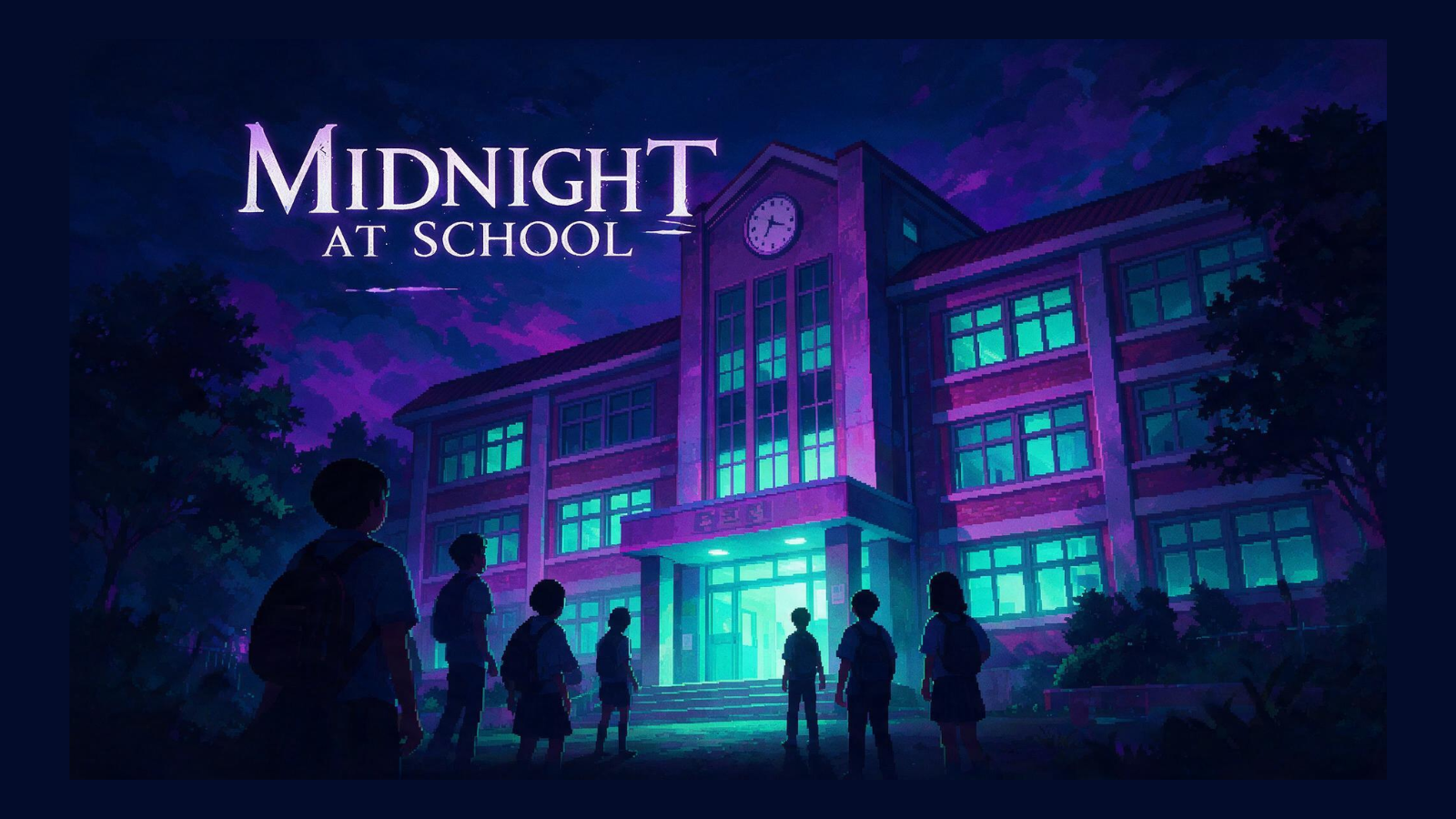
Midnight at School
An after-dark school adventure asks the class what to do next. Choose it when you want predictions and explanations: “I think we should…” is a useful starting point before students add a reason.
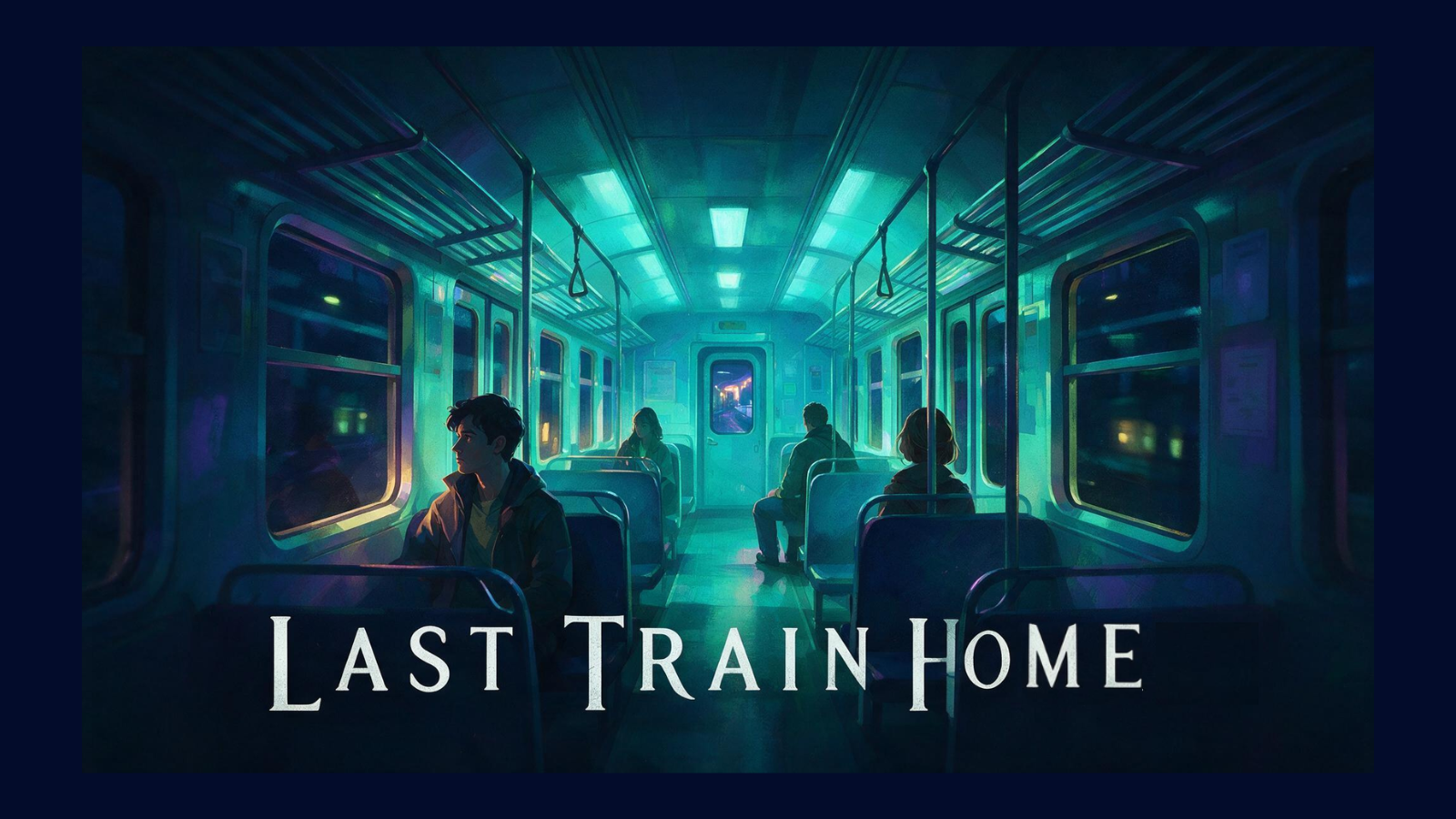
Last Train Home
A strange final train provides a setting for weighing uncertain choices. Ask pairs to compare a cautious response with a risky one before the whole class decides which direction the story takes.
State of Affairs
Five country campaigns turn a lesson into a government meeting. Students weigh competing needs, use visible scene vocabulary and watch resource histories change as decisions lead down different branches.
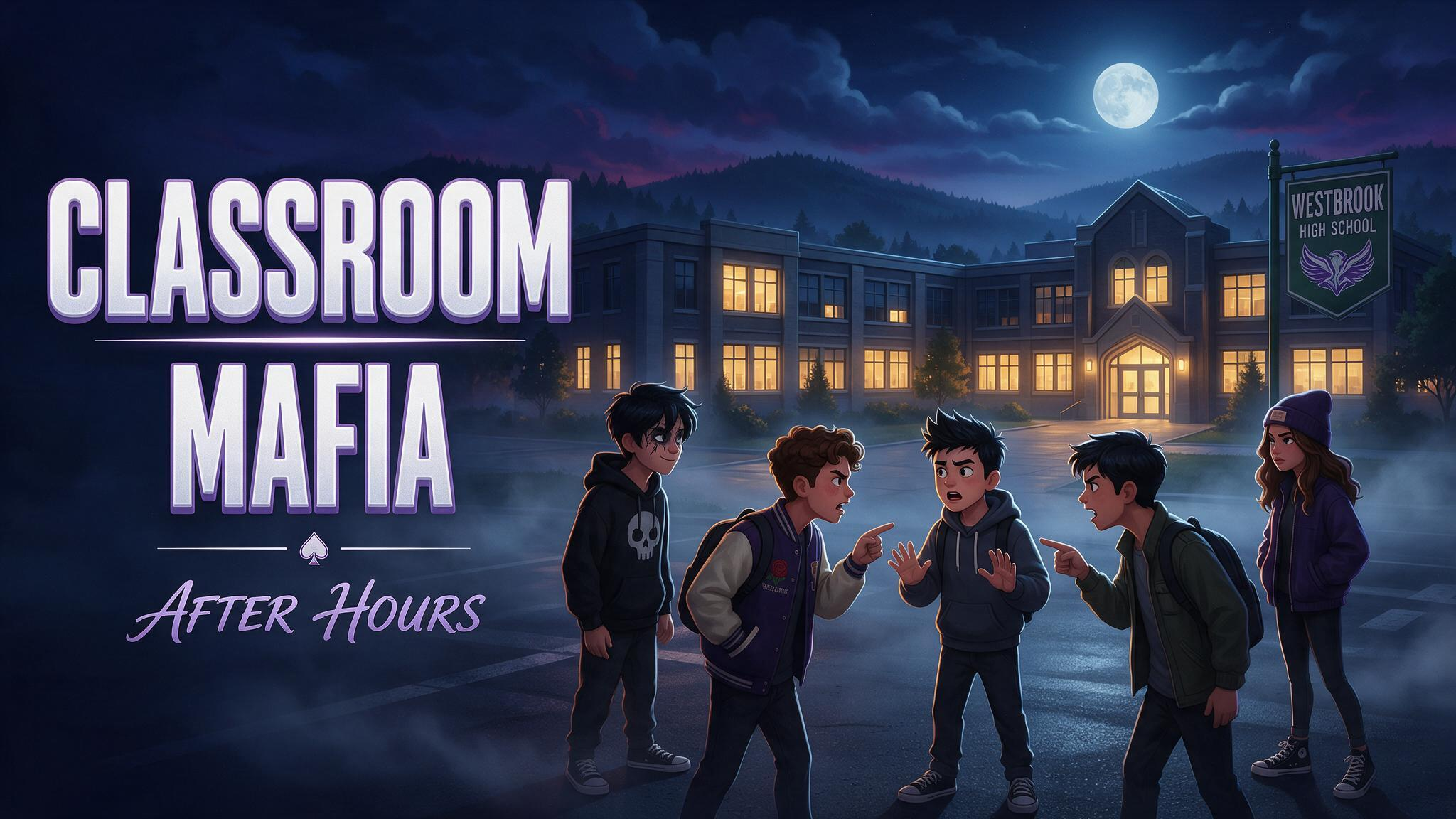
Classroom Mafia: After Hours
Secret roles create a different speaking task: questioning, defending and persuading other players. The teacher moderates the night and day phases, so preview the role setup and prepare the printable cards before class.
Prepare the language, not a winning answer.
For story games, begin with pair talk so more students rehearse an opinion before the class vote. For Mafia, practise respectful disagreement and questions before assigning roles. Preview the text and themes for your learners; age alone does not tell you whether a class is ready. Keep a few minutes at the end to discuss what students would do differently.
A decision is a speaking opportunity.
Before opening a story, choose the language you want to hear. For predictions, write “I think … will happen because …” on the board. For a decision lesson, try “We should choose … because …” and “The disadvantage is …”. Keep those prompts visible while students discuss the choices.
Use a short discussion cycle: students read the situation, rehearse a view with a partner, and then contribute to the class decision. Ask for a reason from a quieter pair before taking a vote. This gives students a way into the conversation even when another group has already found an answer they like.
Pause after the consequence.
Ask students to compare what they expected with what happened. In State of Affairs, refer to the resource histories: which decision helped one resource while hurting another? A useful exit task is one sentence defending a choice and one sentence proposing an alternative. Preview fictional themes and vocabulary before class; select another activity if the reading load or topic would distract from your teaching goal.
Need a shorter activity between story sections? The teacher tools support grouping, timing and visible team scoring without changing the discussion task.
Pick a game → learn it in Tutorial Mode → go fullscreen.